




When Estate Planning and Tax Advice work together, families win.
A strong estate plan isn’t just about a Will. It’s about ensuring your assets, business, and family are protected. Without unexpected tax consequences.
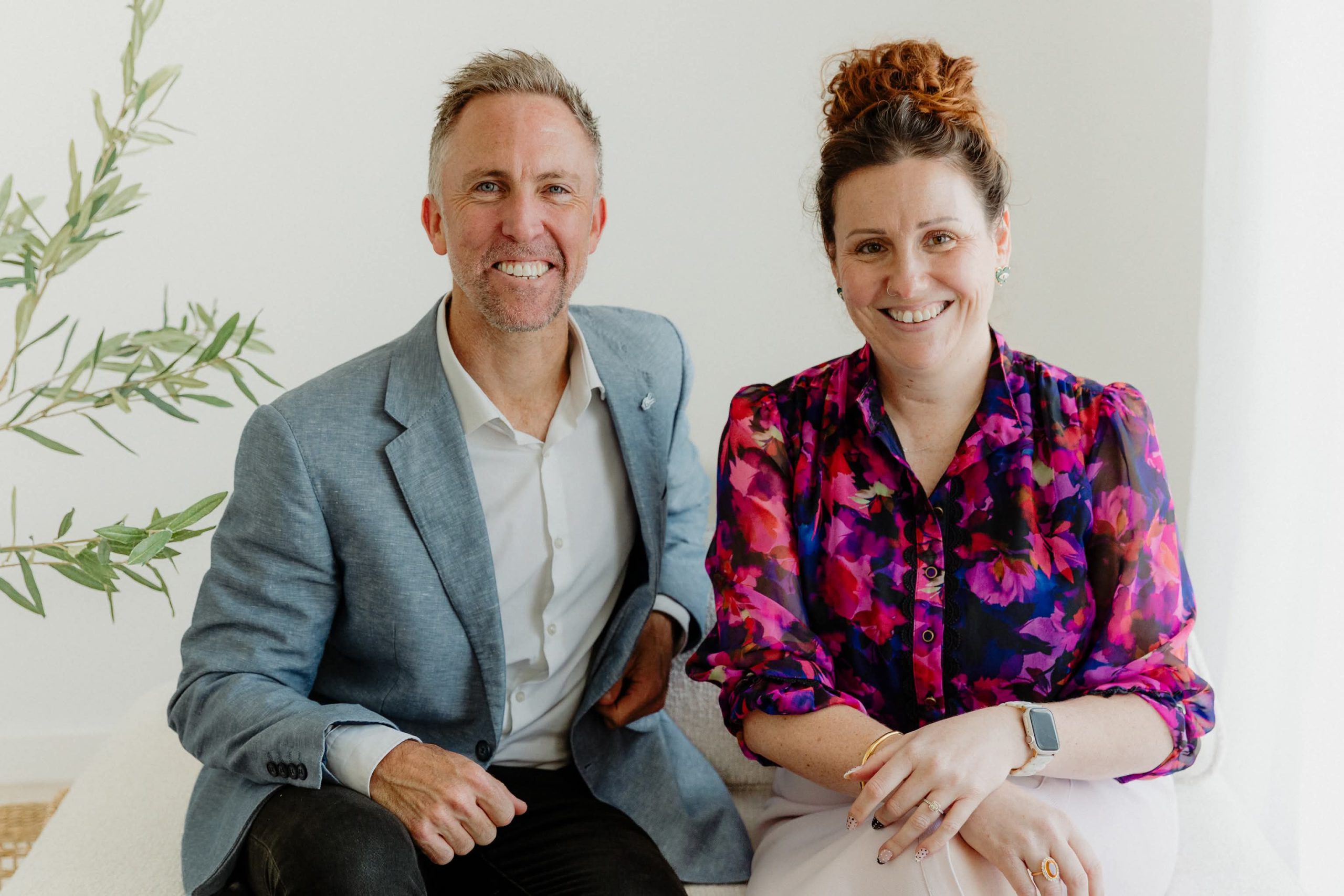
That’s why Solari & Stock Lawyers and New Leaf Advisory Chartered Accountants have joined force. We give you complete, coordinated advice that covers every angle: legal, financial, and tax.
A joint collaboration

The gap most families don’t see
For many successful families, estate planning feels like a box to tick; draft a Will, appoint executors, and assume the rest will take care of itself. But wealth rarely fits neatly into a document. When you own companies, hold shares in trusts, or have assets spread across structures, the way those assets are transferred can create far-reaching tax and legal consequences that a standard Will doesn’t cover.
That’s the gap most families don’t see.
Without aligned legal and accounting advice, even well-intentioned plans can trigger unnecessary tax bills, disputes between beneficiaries, or the slow unravelling of carefully built wealth.
That’s why Solari & Stock Lawyers and New Leaf Advisory take a coordinated approach, ensuring your estate plan is as commercially sound as it is legally robust. Together, we help you structure your legacy with foresight, so your family benefits from what you’ve built, without unexpected costs or complications.
FAQS
The questions every family should be asking (but rarely do)
Below are just six of the most common questions we’re asked by business owners and successful families when legal and tax worlds collide. Each one touches on an issue that, left unaddressed, can lead to unnecessary tax, loss of control, or conflict down the line.
They’re drawn from decades of combined experience advising high-net-worth families, company directors, and professionals with complex structures. If these sound familiar, or if you’re wondering what else might apply to your situation, our full Tax-Smart Estate Planning Guide explores the scenarios we see most often, and the expert advice that prevents costly mistakes.
If I leave company shares to my son, can my daughter make a claim against them?
Even if your Will leaves company shares solely to one child, another beneficiary may challenge the Will if they feel inadequately provided for. To protect shares from estate claims:
- Use a Family Trust to keep shares outside your personal estate.
- Transfer shares during your lifetime, noting potential CGT and stamp duty implications.
- Review your company constitution for succession clauses.
- Use a buy-sell agreement to ensure smooth ownership transfer.
- Minimise estate assets by holding property in trusts or joint ownership.
Expert tip: Combining these strategies can safeguard company ownership while reducing family disputes.
What are the main tax advantages of a testamentary trust?
- Income to minors is taxed at adult rates, avoiding punitive minor rates (Division 6AA).
- Trustees can distribute income to beneficiaries in lower tax brackets, reducing overall tax.
- Access to the 50% Capital Gains Tax discount on qualifying assets.
- Multi-generational flexibility, allowing trusts to last up to 80 years
Expert tip: Testamentary trusts are powerful tools for long-term wealth protection and tax efficiency.
Can a testamentary trust receive the family home, and should it?
Yes, but generally it’s not recommended:
- Trusts lose the principal residence exemption for CGT in many states.
- Land tax may apply to the home if held in the trust.
- Administrative complexity can outweigh benefits for simple estates.
Expert tip: For most families, retaining the family home outside a testamentary trust preserves value while simplifying estate management.
What are the tax implications if my beneficiaries live overseas?
- Higher tax rates and loss of tax-free thresholds.
- Limited use of franking credits.
- Possible loss of the 50% CGT discount on Australian assets.
- Additional land tax surcharges or non-resident tax obligations.
Expert tip: Trustees should plan distributions carefully to avoid costly penalties and maximise after-tax outcomes.
If I don’t have a Will, what happens to shares in my company when I die?
- Spouse and children usually inherit first.
- Other relatives follow if no spouse or children exist.
- The administrator manages the estate, including company shares.
- Jointly held shares pass automatically to surviving owners, bypassing the Will.
Expert tip: Dying without a Will can create complex tax and ownership issues. Professional advice ensures your business and assets remain protected.
If I have an existing trust, can my assets be gifted to that trust on my death?
Yes, provided the trust deed allows it and the trust is clearly identified in your Will. However, Capital Gains Tax (CGT) may still apply at market value, even when no money changes hands. Stamp duty and complex rules around income distributions to minors also need to be considered.
Expert tip: Testamentary trusts often provide more flexibility for beneficiaries to access adult tax rates.
These six questions are just the start. Download the full guide to uncover expert insights to help you protect your family and reduce tax exposure.
Expert Answers to the Questions your Will doesn’t cover
It’s what you don’t know that can cost you. Download our Tax-Smart Estate Planning Guide, expert insight from leading lawyers and accountants who work with Australia’s most successful families to safeguard their wealth and legacy.
"*" indicates required fields
CASE STUDY
Protecting a Blended Family’s Future
Client Profile
Alex and Taylor, a couple in New South Wales, have a blended family with five children. They own a small business structured as a family trust, a family home with a mortgage, and a self-managed superannuation fund (SMSF). Their goals: protect their children, ensure financial security, minimise tax liabilities, and safeguard their assets.
Challenges They Faced
Managing complex family and financial arrangements can be challenging:
Estate Planning for a Blended Family
Ensuring fair provision for all children while protecting the surviving spouse.
Tax and Trust Compliance
Managing family trusts and SMSFs to maximise tax efficiency without creating risks.
Business Continuity
Safeguarding the small business and ensuring smooth succession.
Mortgage and Asset Protection
Avoiding financial strain on the surviving family members.
Without proper planning, Alex and Taylor risked family disputes, unintended tax liabilities, and potential depletion of their assets.
Our Approach
Through collaboration between New Leaf Advisory and Solari and Stock, we provided a holistic solution:
Comprehensive Wills & Testamentary Trusts: Protecting children, stepchildren, and future generations.
Binding Death Benefit Nominations for the SMSF: Ensuring super assets are distributed according to their wishes.
Updated Family Trust Deed: Clarifying trustee roles and compliance with tax laws.
Succession Planning for the Business: Minimising operational risks and ensuring continuity.
Regular Review Strategy: Adjusting plans for life events, changing family dynamics, and evolving legislation.
Results & Benefits
Peace of mind
Alex and Taylor now have a complete plan that protects every member of their blended family, ensuring assets are distributed fairly, their wishes are clear, and their children’s futures are secure.
Tax-efficient assets and income
Through coordinated legal and accounting strategies, their family trust, SMSF, and business structures were optimised to reduce unnecessary tax, preserve income, and protect long-term wealth.
Clear succession plan
A defined roadmap now guides how the business and family trust will transition across generations, removing uncertainty and ensuring continuity for both family and employees.
Reduced risk of disputes
Transparent structures, clarified trustee roles, and clearly documented intentions minimise the likelihood of disagreements or unintended outcomes among beneficiaries.
Partnering for Comprehensive Protection
Alex and Taylor’s story highlights the power of collaboration. By bringing legal and accounting expertise together early, they avoided the costly mistakes that often arise when estate planning and tax advice are handled in isolation.
This integrated approach is what sets Solari & Stock Lawyers and New Leaf Advisory apart. Together, we design strategies that look beyond documents and numbers, creating structures that protect wealth, relationships, and the intent behind every decision.
For families with complex assets, businesses, or trusts, collaboration isn’t optional, it’s essential. Because when your legal, tax, and financial advice align, your legacy does too.

Patrick McStay
Rebecca Exley
Plan Smarter. Protect More.
Solari & Stock Lawyers and New Leaf Advisory work side-by-side to help you plan with clarity, confidence, and complete protection across legal, tax, and financial boundaries. Whether you’re reviewing your current estate plan or starting from scratch, the right partnership makes all the difference.
Prefer to learn first? Download the Tax-Smart Estate Planning Guide.